Hub for Quantum Financial Tech
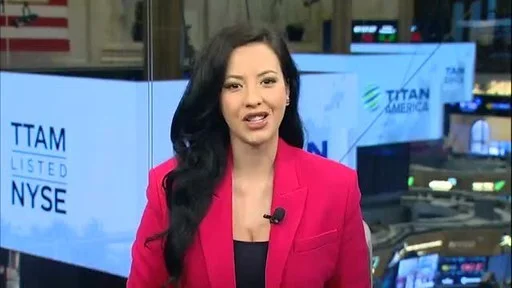
The New York Stock Exchange is buzzing with activity. American Express rang the opening bell in celebration of Small Business Saturday, a marketing campaign that’s supposedly generated $223 billion since 2010. That's the claim, anyway. But does the reality match the rhetoric? Let's dig into the numbers and see if this "shop small" movement is actually moving the needle.
Small Business Saturday: A Drop in the Bucket?
The "Shop Small" Narrative
American Express has been pushing Small Business Saturday since 2010, and the $223 billion figure is impressive (or at least, it's *meant* to be). However, a quick calculation reveals a slightly less dazzling truth. That $223 billion is spread over 15 years (2010-2024). That averages out to roughly $14.9 billion per year. The US GDP in 2024 was about $30 Trillion. So small businesses make up about 0.05% of the economy.
The Dow Jones Industrial Average is down 300 points amid trade fears, according to reports from October 2025. But let's be honest, one day of feel-good shopping isn’t going to reverse macroeconomic trends. The market volatility that is affecting AI stocks and overall averages probably has more to do with broader economic anxieties than whether someone bought a handcrafted scarf.
Now, I’m not saying supporting local businesses is bad. What I *am* saying is that we need to be realistic about the actual impact of a single promotional day.
Pre-Market Hype vs. November Reality
Data-Driven Skepticism
The NYSE pre-market update mentions that the Dow is up about 2% for the week, and the S&P 500 has gained roughly 3%. That's good news, sure, but it's crucial to remember the context: major averages are still on track to finish November lower. So, we're seeing a temporary bump, not a fundamental shift.
I've looked at hundreds of these market reports, and the way these daily updates are presented often obscures more than they reveal. They highlight the positive blips while downplaying the overall trend. It's like focusing on a single green shoot in a field of withered crops.
The cookie notices that pop up on financial websites (Versant Media's, for example) are more honest about tracking and influencing user behavior than most corporate press releases. At least they're upfront about trying to manipulate your actions. (Parenthetical clarification: I'm not endorsing manipulative advertising, just pointing out the irony.)
Feel-Good Stories vs. Economic Realities
Beyond the Bell Ringing
The NYSE celebrating Kids Day is a nice gesture, but it's also a distraction. These feel-good events are designed to create a positive association with the market, but they don't address the underlying issues driving market volatility. I am not saying that it's bad to celebrate kids, but it is an obvious distraction.
The Small Business Saturday narrative is a classic example of this. It's a feel-good story that glosses over the complex realities of running a small business in today's economy. It presents a romanticized view of entrepreneurship that doesn't always align with the data.
A Marketing Ploy, Not Economic Salvation
I've said it before, and I'll say it again: Small Business Saturday is good marketing, but it's not economic salvation. The numbers simply don't support the hype. Let's focus on sustainable solutions, not symbolic gestures.